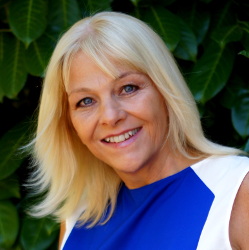
My education, my work, and my passion are to help people from all races who are trapped in poverty. I want them to have genuine options for lifelong success. This can only happen if the voices of those struggling with poverty can be heard and their perspectives understood.Poverty is resolvable, however, making a difference for people who live in the crisis of poverty requires a paradigm shift. A shift that moves us beyond stereotypes and judgement to a deeper understanding of the causes of poverty and its impact on human beings. With this awareness, we can work together to provide genuine opportunities for people to move out of poverty. -- Donna Beegle
Keynotes
Dr. Donna Beegle will captivate the audience with an informative, inspirational and motivational keynote presentation that is customized for your group. The Keynote will include working more effectively with students and families who live in the crisis of poverty, improving communication across poverty barriers, One woman's journey from abject poverty to a Doctorate, or targeting your conference theme.
Workshops
Dr. Donna M. Beegle provides inspirational, motivational, informative speeches customized for your Organization. Donna weaves personal experiences with research to provide insights for communicating and working more effectively across race, poverty, gender, and generational barriers.
All sessions are offered in a workshop or keynote format. Donna' s two most requested workshop sessions are “Poverty 101” and “Concrete tools for communicating more effectively.” Participants can receive continuing education credits. All sessions are customized to meet your organizational goals.
Institutes
Beegle Poverty Immersion Institute
The Poverty Institute is hands on two-day poverty institute for educators, health, justice, social service professionals, and community members who want to better understand poverty and to gain tools for making a difference.
Beegle Coaching Institute
Poverty Coaching Institutes prepare participants to serve as poverty coaches for their organizations. A Communication Across Barriers poverty coach is trained to conduct workshops for breaking poverty barriers and improving communication and relationships for in-house staff. Coaches serve as on-site experts for educating colleagues, providing leadership for breaking poverty barriers, and developing system wide approaches for improving outcomes for families who live in the war zone of poverty. Poverty coaches will also be trained to conduct Poverty Competency Assessments and assist their organization in developing and implementing customized action plans with measurable results.
Beegle Speaker Institute
We want a movement guided by certified trainers who have a strong foundational knowledge of poverty and its impacts on children and families and who are grounded with a solid ability to assist in creating paradigm shifts and systemic change. At the Beegle Speaker Institute, participants will gain the skills for training and coaching individuals and organizations to ensure inclusive, responsive systems to truly make a difference for those living in the crisis of poverty.
If Not Me, Then Who
This training is intended for volunteers who work with people in poverty. It has two parts. The first part, (4 hours), is for everyone wanting to work with people in poverty and is full of information they'll need to do this. The second part (4 hours) is for people who would like to teach this curriculum to others, a "train the trainer" session. This would be idea for an organization wanting to deepen a large number of volunteers understanding, but do it in a very cost effective way. There is no better way than to have someone on site for this.
Opportunity Community
The Opportunity Community (OC) model is a national movement designed to create the types of communities we all want to live in. This can be achieved by increasing prosperity for the people living in the crisis of poverty. Dr. Donna M. Beegle combined her experience of living for 28 years in extreme migrant labor poverty, with 20 years of studying and working with communities to create a research-based model for assisting people to move out — and to stay out — of poverty.